What you eat, how much, and when, all affect reflux. This guide explains which foods most often trigger symptoms and why, which foods most people tolerate well, and the eating habits that often make a bigger difference than any single food.
The short version: there is no single "GERD diet" that works for everyone. Current guidelines suggest avoiding the foods that trigger your symptoms, rather than cutting out a long list. The habits with the best evidence are not eating within two to three hours of bed and, if you are overweight, losing some weight.
How food affects reflux
Food can make reflux more likely in three main ways:
- Relaxing the valve. Some foods and drinks are thought to relax the lower oesophageal sphincter (LOS), the muscle that keeps acid in the stomach. Fatty food, chocolate, peppermint and alcohol are the most studied.
- Filling and stretching the stomach. Large meals, fatty meals (which empty slowly) and fizzy drinks raise the pressure inside the stomach and trigger the brief LOS relaxations that cause most reflux.
- Irritating an already sore oesophagus. Acidic foods like citrus and tomato, and spicy food, may not cause more reflux, but they can sting a lining that is already inflamed, which makes symptoms feel worse.
Foods most often reported as triggers
These are the foods people with GERD most often say worsen their symptoms. Responses vary a lot: a food that troubles one person may not bother another at all.
Fatty and fried food
Fried food, fatty cuts of meat, pastries, full-fat cheese and cream sauces are among the most consistent triggers. Fat slows stomach emptying, so the stomach stays full for longer, and it is associated with LOS relaxation. Reducing portion sizes of fatty food, rather than cutting it out completely, can already help.
Chocolate
Chocolate contains methylxanthines (theobromine and some caffeine), which are thought to relax the LOS, and it is often high in fat. Many people with reflux find it a reliable trigger, though some tolerate small amounts.
Coffee and caffeinated drinks
Coffee is a commonly reported trigger, but the research is mixed: a meta-analysis did not find a clear link between coffee intake and GERD across populations. That fits with what many people notice, which is that it bothers some people a lot and others not at all. If you suspect coffee, try two weeks without it (or on decaf) and track the difference.
Alcohol
Alcohol relaxes the LOS and can irritate the oesophagus. Wine and beer are often reported as worse than spirits, and drinking late in the evening is particularly likely to cause night-time symptoms. Drinking less, eating with alcohol and stopping two to three hours before bed are practical steps.
Fizzy drinks
Carbonated drinks add gas to the stomach, which increases pressure and belching. Colas and many soft drinks are also acidic and may contain caffeine. Still water is the safest swap.
Citrus fruit and juice
Oranges, lemons, limes and grapefruit, and especially their juices, are acidic. They are unlikely to cause reflux themselves but often sting an inflamed oesophagus. Citrus juice on an empty stomach first thing in the morning is a common culprit.
Tomatoes and tomato products
Tomato sauce, ketchup, pizza, tomato soup and salsa are commonly reported triggers, again mainly because of their acidity. Many people tolerate a little fresh tomato better than concentrated cooked sauces.
Spicy food
Chilli contains capsaicin, which activates pain receptors and can cause a burning feeling in a sensitive oesophagus, even without extra reflux. Many people tolerate mild spices but not hot dishes.
Peppermint and spearmint
Mint feels soothing, but peppermint is thought to relax the LOS. If you drink peppermint tea after meals and have reflux, try chamomile or ginger tea instead and see whether it makes a difference.
Raw onion and garlic
Some people find raw onion and garlic worsen heartburn. Cooked onion and garlic are often better tolerated.
Foods most people tolerate well
Knowing what you can eat is just as useful. These foods are rarely reported as triggers and fit well into a balanced diet:
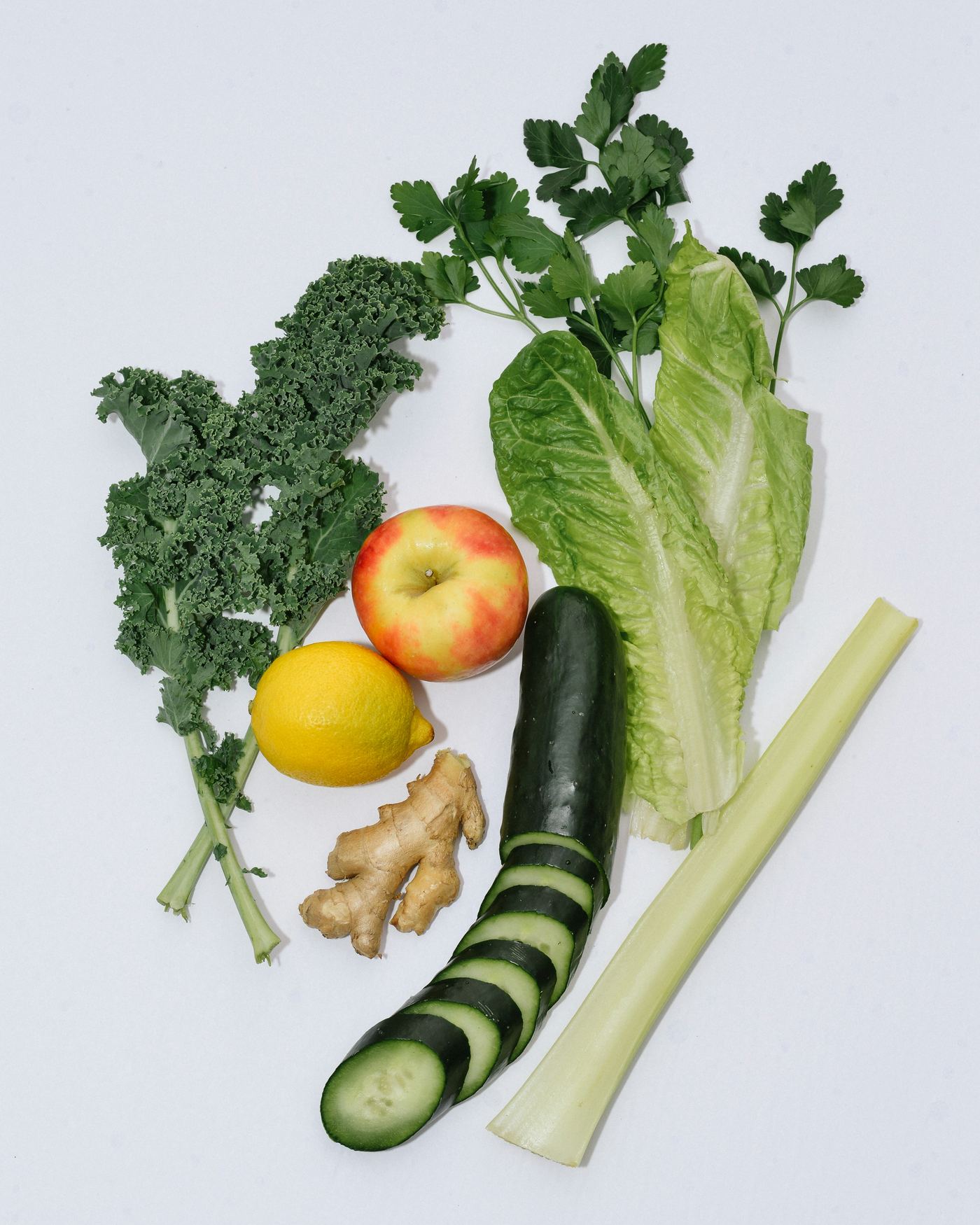
- Non-citrus fruit: bananas, melon, pears, apples, peaches, mango and papaya. Ripe, sweet fruit is usually easier than tart fruit.
- Vegetables: broccoli, green beans, peas, courgette, carrots, spinach, cucumber, potatoes and sweet potato, ideally steamed, boiled or roasted rather than fried.
- Lean protein: chicken or turkey without skin, white fish, eggs (boiled or poached), tofu, lentils and beans.
- Grains: porridge oats, wholemeal bread, rice, pasta (with a non-tomato sauce), couscous and plain crackers. Fibre-rich diets are linked with fewer reflux symptoms in observational studies.
- Lower-fat dairy: skimmed or semi-skimmed milk, plain low-fat yoghurt and small amounts of hard cheese. Milk may soothe briefly, but it is not a treatment.
- Drinks: water, non-mint herbal teas such as chamomile or ginger, and plant milks.
- Ginger: often used for nausea and indigestion. Small amounts in cooking or tea are usually well tolerated.
Popular claims that particular foods "neutralise" stomach acid or "coat" the oesophagus are mostly not backed by good evidence. These foods help mainly because they are low in fat, not acidic and easy to digest.
Eating habits that help
Finish eating two to three hours before bed
This is one of the best-supported habits. When you lie down with a full stomach, gravity no longer helps keep acid down. A Japanese study found that people who went to bed within three hours of dinner had a much higher risk of GERD. If you are hungry late in the evening, choose something small and plain. Use the meal-timing planner to plan your evening around your bedtime.
Eat smaller meals
A stretched stomach triggers the LOS relaxations that cause most reflux. Spreading the same food over smaller meals, or reducing your main meal by about a third and adding a small snack, keeps pressure lower.
Eat slowly
Eating quickly means swallowing more air and eating more before you feel full. Putting your fork down between mouthfuls and aiming for a meal that lasts 20 minutes is a simple start.
Stay upright after meals
Avoid lying on the sofa or bending over straight after eating. A gentle walk after a meal keeps you upright and is a pleasant habit; vigorous exercise straight after eating can make reflux worse.
Loosen tight waistbands
Tight belts and waistbands press on the stomach, which matters most after meals.
Lose weight if you are overweight
Weight loss is the lifestyle change with the strongest evidence. Even modest weight loss can reduce symptoms, and a diet built around vegetables, lean protein and whole grains supports both goals. See weight and GERD.
Is there a best overall diet?
Researchers increasingly look at whole eating patterns rather than single foods. A Mediterranean-style diet, based on vegetables, fruit, legumes, whole grains, olive oil and fish, with little red or processed meat, is naturally low in many common triggers. In one study of people with laryngopharyngeal reflux, a plant-based Mediterranean diet with alkaline water gave results comparable to PPI medicine. That was a single, non-randomised study, so it is a promising sign rather than proof. Note that citrus and tomato feature heavily in Mediterranean cooking, so you may still need to adapt it.
How to find your own triggers
The most reliable way is to keep a simple record for two to three weeks: what you eat and drink, when, and any symptoms that follow. Patterns often show up quickly. The free GERD.org symptom diary does this for you, keeps everything on your own device, and highlights foods that are often followed by symptoms. Try cutting out one suspected food at a time for two weeks rather than many at once, so you know what made the difference.
For personal advice, especially if you have other conditions or are losing weight without trying, ask your doctor about seeing a registered dietitian.
Five changes to try this week
- Finish your evening meal at least three hours before bed.
- Make your largest meal a little smaller.
- Swap fizzy drinks for still water.
- Swap peppermint tea for chamomile or ginger.
- Track your meals and symptoms in the symptom diary.
Sources
- Katz PO, Dunbar KB, Schnoll-Sussman FH, et al. ACG Clinical Guideline for the Diagnosis and Management of Gastroesophageal Reflux Disease. Am J Gastroenterol. 2022;117(1):27-56.
- NICE. Gastro-oesophageal reflux disease and dyspepsia in adults: investigation and management (CG184). National Institute for Health and Care Excellence, 2014, updated 2019.
- Kaltenbach T, Crockett S, Gerson LB. Are lifestyle measures effective in patients with gastroesophageal reflux disease? An evidence-based approach. Arch Intern Med. 2006;166(9):965-971.
- Ness-Jensen E, Hveem K, El-Serag H, Lagergren J. Lifestyle Intervention in Gastroesophageal Reflux Disease. Clin Gastroenterol Hepatol. 2016;14(2):175-182.
- Fujiwara Y, Machida A, Watanabe Y, et al. Association between dinner-to-bed time and gastro-esophageal reflux disease. Am J Gastroenterol. 2005;100(12):2633-2636.
- Kim J, Oh SW, Myung SK, et al. Association between coffee intake and gastroesophageal reflux disease: a meta-analysis. Dis Esophagus. 2014;27(4):311-317.
- Zalvan CH, Hu S, Greenberg B, Geliebter J. A Comparison of Alkaline Water and Mediterranean Diet vs Proton Pump Inhibition for Treatment of Laryngopharyngeal Reflux. JAMA Otolaryngol Head Neck Surg. 2017;143(10):1023-1029.