Understand your reflux. Find what helps.
Clear, sourced guides to heartburn, acid reflux and GERD (GORD), written in plain English. Plus free tools to find your trigger foods, plan your meals around bedtime and track your symptoms privately.
- Based on ACG and NICE guidelines
- Sources on every page
- No cookies, no sign-up

Tip of the day
Track your meals and symptoms for two weeks to find your own triggers.
Photo: Vinicius Amano on Unsplash
Chest pain that feels heavy or spreads to your arm, neck or jaw? It could be your heart. Call 999 (UK), 911 (US) or 112 (EU) now. Difficulty swallowing, weight loss or vomiting blood? See a doctor promptly.
Free tools
Private by design: everything runs in your browser.
Food trigger checker
Look up 64 foods and drinks: how likely they are to trigger reflux, why, and what to swap them for.
OpenSymptom diary
Log meals and symptoms. It spots foods that are often followed by heartburn, and it stays on your device.
OpenMeal-timing planner
Enter your bedtime and get a daily plan for meals, medicine and exercise.
OpenDoctor check
A quick private checklist of warning signs, and what to do about each.
OpenFood of the day
A new food from the trigger checker every day.
Reflux-friendly recipes
Everyday meals without tomato, citrus, chilli or cream.
Banana and cinnamon porridge
A warm, filling breakfast built on oats and banana, two of the foods most people with reflux tolerate well.
Poached eggs with spinach on toast
A lighter alternative to a fried breakfast, with poached eggs instead of fried and wilted spinach instead of beans and sausages.
Ginger chicken and rice bowl
A mild, simple bowl with lean chicken, rice and green vegetables, flavoured with fresh ginger and a little soy sauce instead of chilli and garlic.
Baked salmon with new potatoes and green beans
A tray-bake dinner with salmon, potatoes and beans, seasoned with herbs instead of lemon.
The 28-day reflux reset
One short email a day for four weeks, with one practical change to try, a food idea and the evidence behind it.
Guides
Thirteen plain-English guides, each with its sources listed.
What is GERD?
What GERD (GORD) is, what happens in your body when acid refluxes, how common it is, how it differs from occasional heartburn, and what helps.

Symptoms & causes
A clear guide to the symptoms of GERD (GORD), from heartburn and regurgitation to chronic cough and hoarseness, and to what causes reflux in the first place.
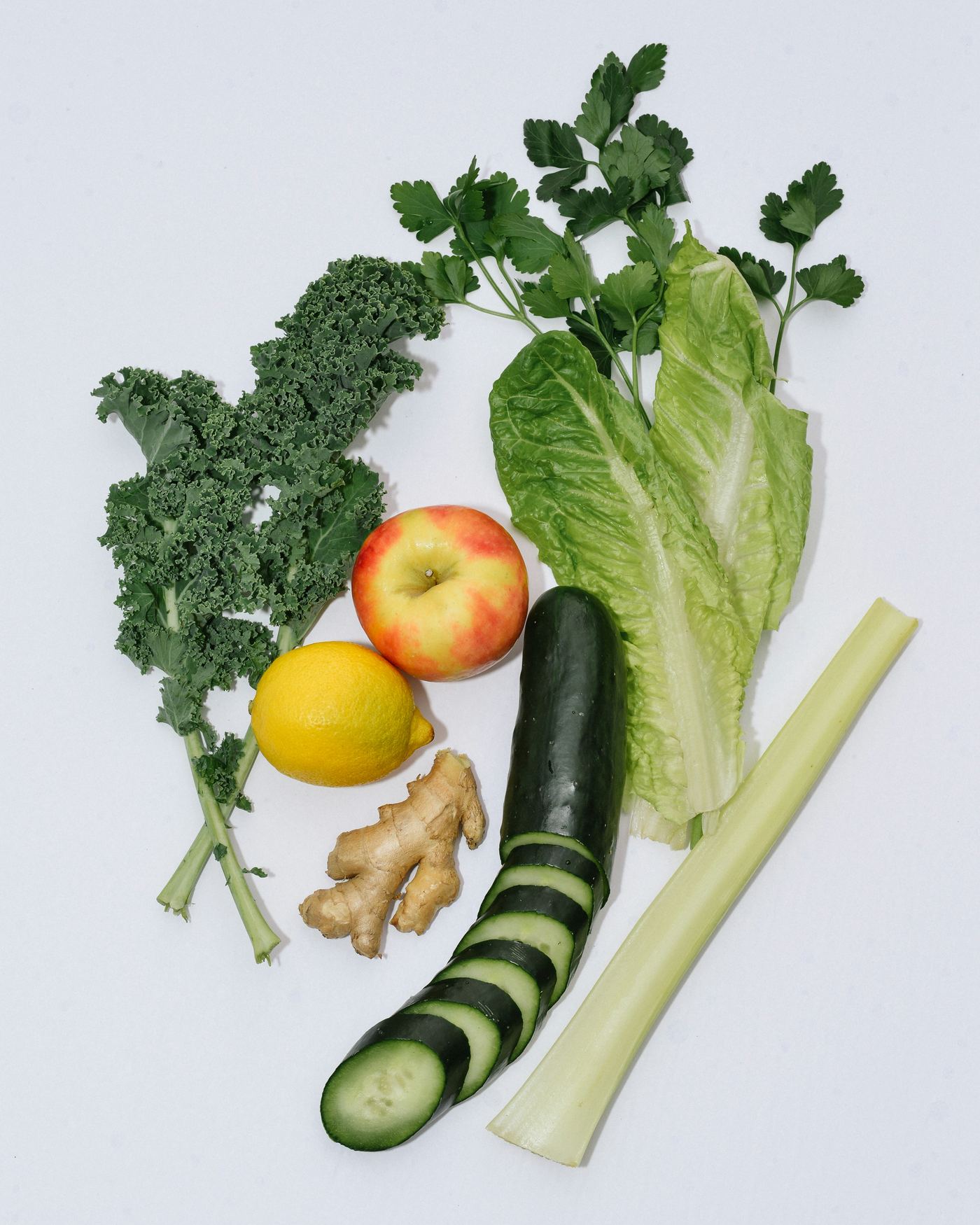
Diet guide
An evidence-based guide to eating with GERD (GORD): the most common trigger foods and why, foods most people tolerate well, and the eating habits that matter as much as the menu.

Lifestyle changes
The lifestyle changes with the best evidence for GERD (GORD): raising the head of the bed, sleeping on your left side, meal timing, weight loss, smoking, alcohol, exercise and stress.
Medications
How each type of reflux medicine works, when it is used, how to take PPIs correctly, long-term safety, medicines that can make reflux worse, and options when medicine is not enough.

Diagnosis & tests
How doctors diagnose GERD (GORD): when symptoms alone are enough, what a PPI trial is, and what to expect from endoscopy, pH and impedance monitoring, manometry and barium swallow.

When to see a doctor
Which reflux symptoms need a doctor, which need urgent help, and a quick private checklist to help you decide what to do next.

Silent reflux (LPR)
Laryngopharyngeal reflux, or silent reflux, explained: hoarseness, throat clearing, chronic cough and the feeling of a lump in the throat, how it is diagnosed and what helps.
Pregnancy
Why heartburn is so common in pregnancy, lifestyle tips that help, which remedies are usually considered safe, and when to speak to your midwife or doctor.

Babies & children
Why reflux is so common in healthy babies, practical tips for feeding, the warning signs that need a doctor, and reflux in older children.

Complications
What can happen when reflux goes untreated for years: oesophagitis, strictures, Barrett's oesophagus and oesophageal cancer, how likely they are, and who should be checked.

Hiatus hernia
What a hiatus hernia is, how it is linked to reflux, the symptoms, how it is found, and when surgery is considered.
GERD vs GORD
GERD and GORD are the same condition. Here is why there are two names, and a short glossary of other US and UK spellings you will see when reading about reflux.
Common questions
What is the difference between heartburn and GERD?
Heartburn is a symptom: a burning feeling behind the breastbone. GERD is the condition, diagnosed when reflux causes troublesome symptoms regularly, often twice a week or more, or damages the oesophagus. Read more
Is GERD the same as GORD?
Yes. GERD is the American spelling (esophageal) and GORD the British spelling (oesophageal) of the same condition. Read more
Can GERD go away on its own?
Mild reflux often improves with lifestyle changes, such as losing weight, not eating late and raising the head of the bed. Some people need medicine only for a while or only when symptoms flare; others need longer-term treatment. Read more
What is the best sleeping position for acid reflux?
On your left side, with the head of the bed raised by 15 to 20 cm. Research shows acid exposure at night is lowest on the left side and highest on the right. Read more
How long before bed should I stop eating?
At least two to three hours. Lying down with a full stomach makes reflux more likely. Read more